Epidermal Antimicrobial Peptides: A Key Player in Immunity-Induced Sleep
2026-05-28 15:56
Keywords: innate immunity; antimicrobial peptides; sleep regulation; epidermis; Caenorhabditis elegans
Introduction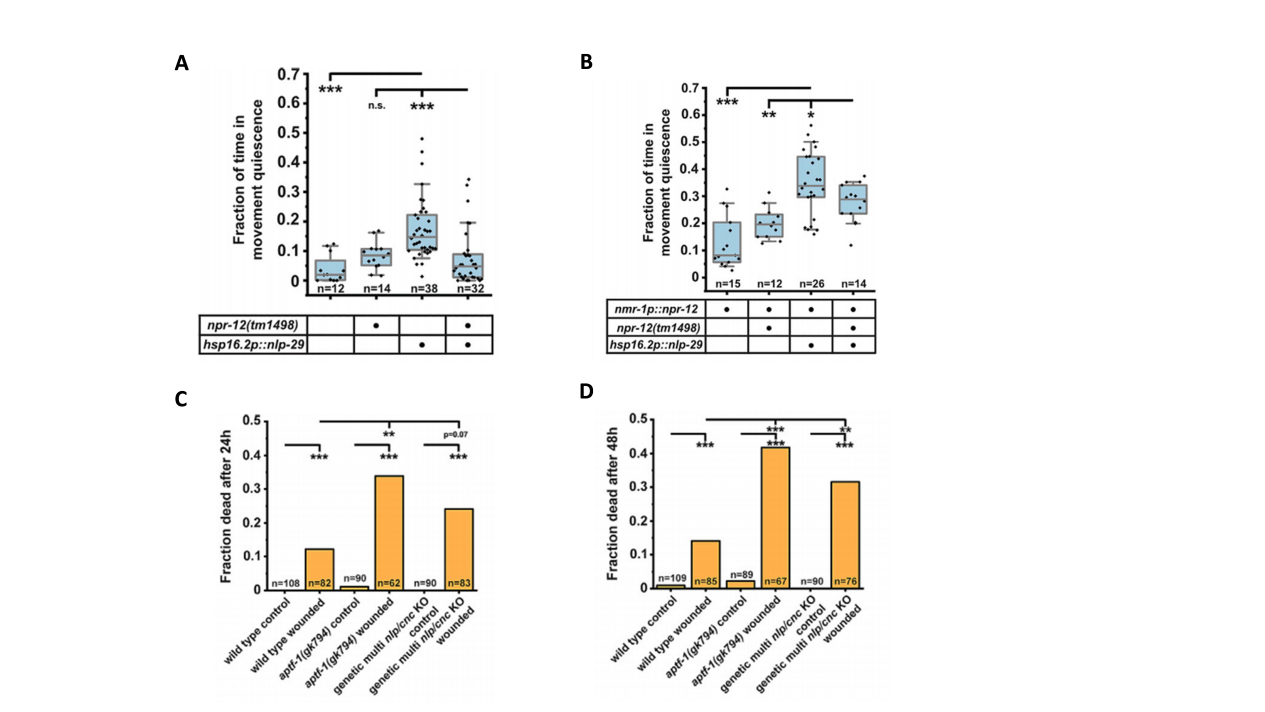
The bidirectional regulatory relationship between sleep and innate immunity has become a hotspot in life sciences. Accumulated evidence demonstrates that infection or tissue injury can activate innate immune responses accompanied by increased sleep, while sufficient sleep in turn supports immune function and facilitates organismal recovery. Nevertheless, the key molecular mechanisms by which peripheral injury or innate immune activation transmits sleep-demand signals to the central nervous system to induce sleep to poorly elucidated. As the first line of host defense against pathogens, innate immunity triggers the production of effector molecules such as antimicrobial peptides (AMPs) upon activation, which are conventionally recognized to exert primarily local antibacterial effects. Published in Current Biology, a pioneering study focuses on the non-antibacterial functions of epidermal AMPs. Using Caenorhabditis elegans (C. elegans)—a model organism with simple and conserved sleep regulatory mechanisms—the study explores the mediating role of epidermal AMPs between innate immunity and sleep regulation. It fills the knowledge gap in the molecular cascade underlying inter-tissue regulation and provides a critical breakthrough for deciphering the molecular basis of sleep-immunity crosstalk.
Construction of SunyBiotech
SunyBiotech has constructed a number of mutant strains to further elucidate the regulatory effect of epidermal antimicrobial peptides on sleep:
PHX293 nas-38(syb293) X.
PHX1446 nlp-8(syb762) I; nlp-32(syb431) cnc-6(syb393) III; Y43C5A.3 (syb761) IV; nlp-25(syb579), cnc-10(syb937), cnc-7(syb558), sybDf1, sybDf2 V.
PHX1521 nlp-8(syb762) I; nlp-32(syb431), cnc-6(syb393) III, Y43C5A.3(syb761) IV; sybDf1,sybDf2, cnc-7(syb558), cnc-10(syb937),nlp-25(syb579) V; nas-38(ok3407) X.
1. NAS-38 mediates innate immune activation and sleep promotion
During the larval molting stage of C. elegans, epidermal NAS-38 acts as the trigger and initiates epidermal responses. The activity of NAS-38 is negatively regulated by its thrombospondin domain (Fig. 1A and 1B), and its astacin protease domain is responsible for its biological function. The activated NAS-38 launches signal transduction, sequentially activating the p38 MAP/pmk-1 and TGF-β-SMAD/sma-3 innate immune pathways. Subsequent signaling through STAT/sta-2 and SLC6/snf-12 pathways upregulates the expression of antimicrobial peptide genes (Fig. 1C-1E). After these epidermal signals are received by the nerve center, distinct biological outcomes are achieved: sleep is markedly promoted in nematodes, and sleep duration is further extended in nas-38 gain-of-function mutants. Collectively, NAS-38 serves as a core upstream molecule that bridges innate immunity, antimicrobial peptide expression and sleep regulation.
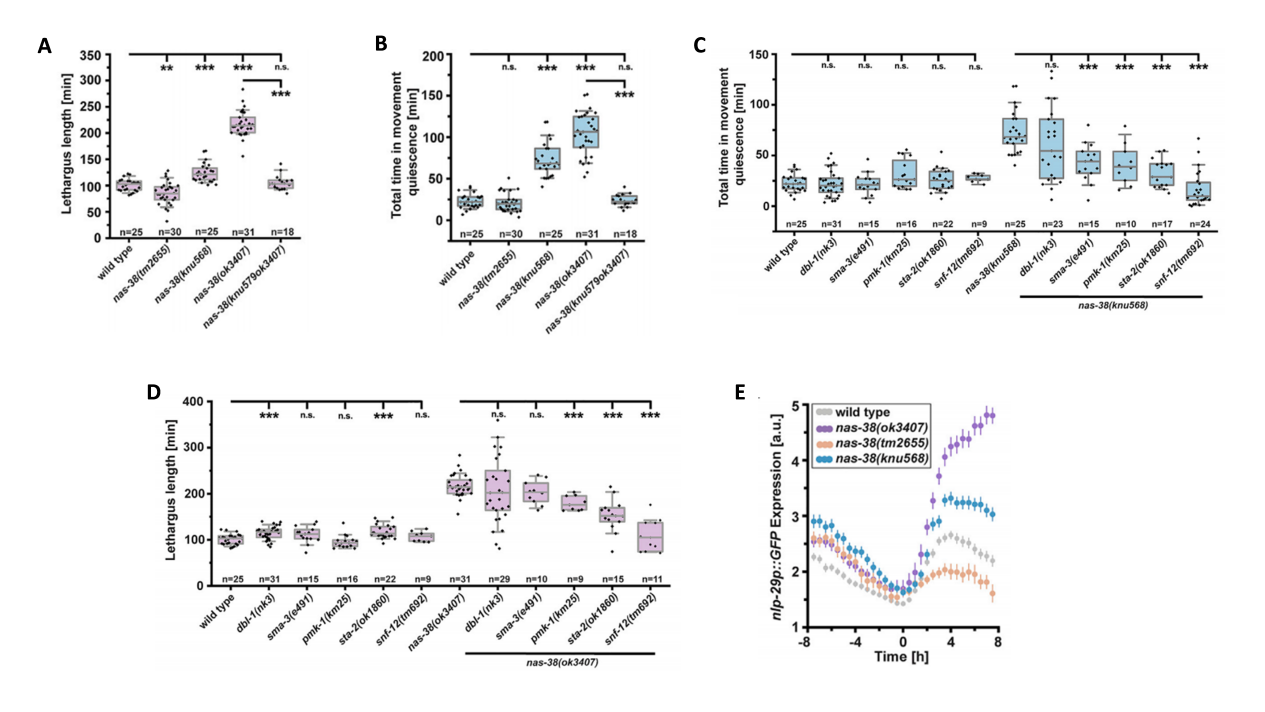 Figure 1. NAS-38 mediates innate immune activation and sleep promotion
2. Epidermal antimicrobial peptides induce sleep via RIS neurons
In addition to the sleep modulation during larval molting, researchers further explored the regulatory mechanism under adult wounding conditions. More than ten epidermal AMPs are identified as sleep-promoting factors that execute inter-tissue signaling functions and induce sleep by activating the sleep-active RIS neurons (Fig. 2C). In the adult stage, epidermal injury activates innate immunity and elevates AMP production to trigger sleep, a process dependent on epidermal growth factor receptor (EGFR) signaling, which is known to facilitate sleep induction following cellular stress (Fig. 2A and 2B). This discovery clarifies the essential role of AMPs in bridging peripheral immunity and central sleep regulation, laying a foundation for further dissection of the precise molecular mechanisms underlying AMP-mediated sleep induction.
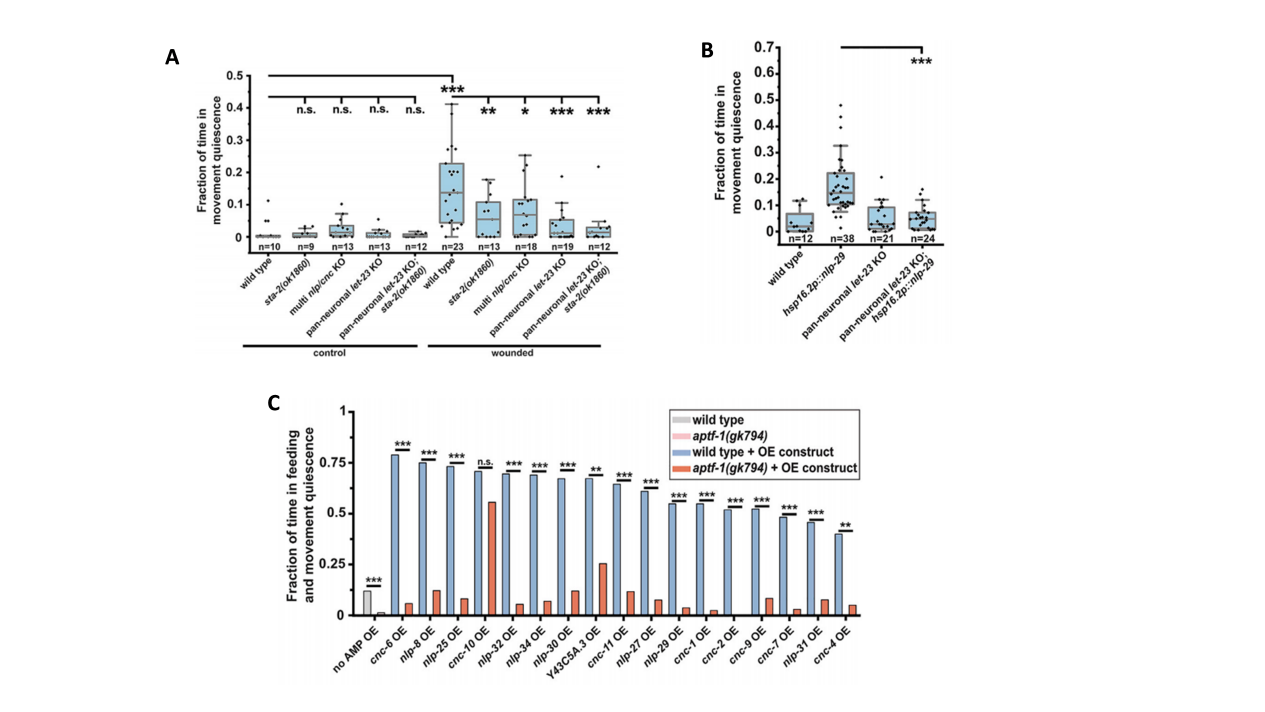
Figure 2. Epidermal antimicrobial peptides induce sleep via RIS neurons
3. NLP-29 modulates sleep and enhances post-injury survival probability
To clarify the mechanistic basis of AMP action, the study focused has focused on the antimicrobial peptide NLP-29. NLP-29 binds to the neuropeptide receptor NPR-12 on presynaptic interneurons upstream of RIS neurons, inducing depolarization of RIS neurons and subsequent initiation of the sleep program (Fig. 3A and 3B). Reciprocally, sleep improves the survival probability of organisms after tissue injury (Fig. 3C and 3D). Accordingly, AMP-induced sleep augmentation is not a random physiological response but an adaptive protective mechanism: prolonged sleep provides organisms with a time window for tissue damage repair and pathogen defense, thereby enhancing post-injury survival fitness.
Figure 3. NLP-29 modulates sleep and enhances post-injury survival probability
Conclusion
Using C. elegans as the research model, this study for the first time delineates an inter-tissue cascade wherein epidermal AMPs mediate the crosstalk between innate immunity and sleep regulation. Mechanistically, NAS-38 activates epidermal innate immunity to induce AMP expression; subsequently, AMPs function as sleep-signaling molecules to target central RIS neurons and trigger sleep, ultimately improving post-injury survival capacity. This study revises the conventional understanding of AMPs and fills the mechanistic gap regarding how peripheral immune signals relay sleep demands to the central nervous system. Given the evolutionary conservation of sleep regulatory mechanisms in nematodes, these findings are potentially translatable to humans. The work provides novel insights for sleep-immunity research and offers promising molecular targets and theoretical references for the intervention of related disorders and clinical wound repair.
Reference
Sinner MP, Masurat F, Ewbank JJ, Pujol N, Bringmann H. Innate Immunity Promotes Sleep through Epidermal Antimicrobial Peptides. Curr Biol. 2021 Feb 8;31(3):564-577.e12.
Do you need reliable, custom CRISPR/Cas9 models to drive your own breakthrough research? Contact SunyBiotech (service@sunybiotech.com) today to learn how our C. elegans strain construction services can accelerate your discoveries