Ancient Conserved Transcription Factor Codes: Decoding the Molecular Diversity of Motor Neurons
2026-09-30 16:24
Keywords: motor neurons; combinatorial transcription-factor codes; homeodomain transcription factors; molecular diversity; Caenorhabditis elegans
Introduction
Motor neurons constitute the principal output units of the nervous system, and their subtype diversity is thought to be relevant to adult-onset neurodegenerative diseases, since distinct motor-neuron subpopulations are known to differ in disease susceptibility. Extensive previous research has focused on the embryonic development and differentiation of motor neurons. Nevertheless, the molecular rules governing how mature post-mitotic motor neurons maintain cellular identity and achieve subtype diversity in adulthood remain poorly understood. A study available via Cell Reports constructed a comprehensive molecular atlas of motor neurons in the ventral nerve cord and flanking ganglia of adult Caenorhabditis elegans(C. elegans) hermaphrodites. It reveals that combinatorial homeodomain (HD) transcription-factor codes represent an evolutionarily conserved core principle for delineating adult motor-neuron diversity, offering critical insights into the maintenance of motor-neuron identity across metazoans.
SunyBiotech-Generated C. elegans Strains
The following strains were generated by SunyBiotech to provide an experimental basis for validating that combinatorial transcription factor codes demarcate subtypes of adult motor neurons.
KRA831 ceh-13(syb2307[ceh-13::3xFLAG::mNG::AID]);otIs544[cho-1(fosmid)::SL2::mChOpti::H2B + pha-1(+)]
KRA832 mab-5(syb6730[mab-5::3xFLAG::mNG::AID]);otIs544[cho-1(fosmid)::SL2::mChOpti::H2B + pha-1(+)]
KRA833 mab-5(syb6730[mab-5::3xFLAG::mNG::AID]);otIs564[unc-47(fosmid)::SL2::H2B::mChOpti + pha-1(+)]
PHX2361 egl-5(syb2361[egl-5::mNG::AID])
PHX2679 nob-1(syb2679[nob-1::GFP])
KRA834 nlp-11(syb4759[nlp-11::SL2::GFP::H2B]);otIs544[cho-1(fosmid)::SL2::mChOpti::H2B + pha-1(+)]
KRA838 nlp-13(syb3411[nlp-13::T2A::3xNLS::GFP]);otIs544[cho-1(fosmid)::SL2::mChOpti::H2B + pha-1(+)]
1. Multiple molecular codes formed by HD, NHR transcription factors and neuropeptide-receptor pairs
Transcriptomic profiling was performed on 69 out of the 75 adult C. elegans motor neurons. The eight cardinal motor-neuron classes originally defined by morphology and neurotransmitter phenotypes were further resolved into 29 molecularly distinct subclasses (Fig. 1A-1B). Multiple sets of gene combinations were identified that can fully define the identity of these 29 motor-neuron subclasses. At the transcription-factor level, two key families are involved: homeodomain (HD) transcription factors and nuclear-hormone-receptor (NHR) transcription factors. HD transcription factors serve as the minimal molecular descriptors for adult motor-neuron diversity, whereas more NHR genes are required to discriminate all subclasses (Fig. 1C). Hox proteins constitute an important subgroup within the HD family. Combinatorial Hox gene sets fully distinguish subclasses in only three of the eight motor-neuron classes (DA, DD, VC), and only partially resolve the rest. Some anterior-most motor neurons lack Hox expression entirely, requiring collaborative input from other HD family members for proper cell-identity specification (Fig. 1D-1E). Beyond transcription factors, neuropeptides and their cognate receptors can also define every motor-neuron subclass (Fig. 1F-1G). This raises the possibility that the existence of multiple independent molecular codes implies that molecular distinctions among motor-neuron subclasses likely correspond to functional divergence at the circuit-connectivity level.
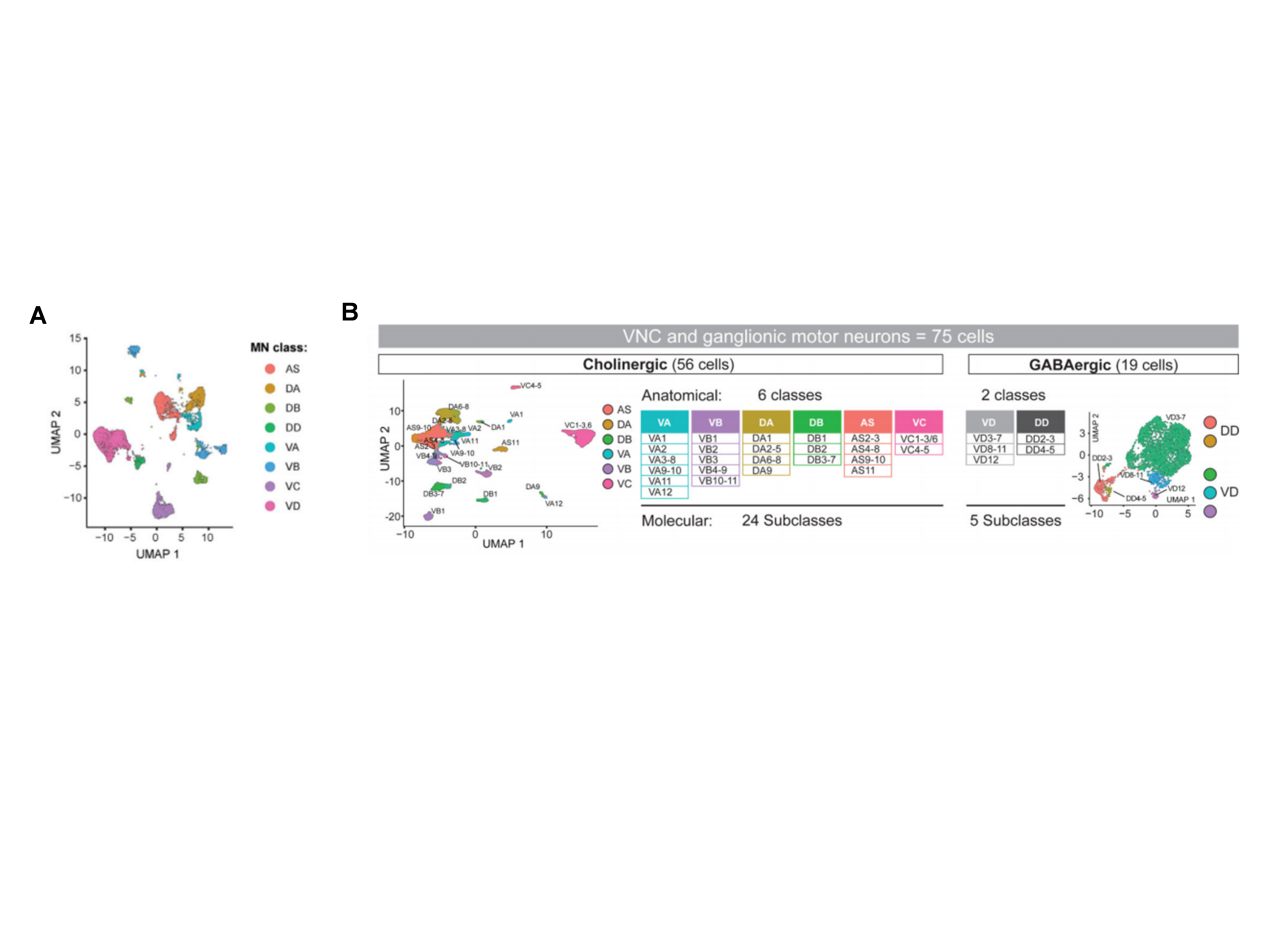
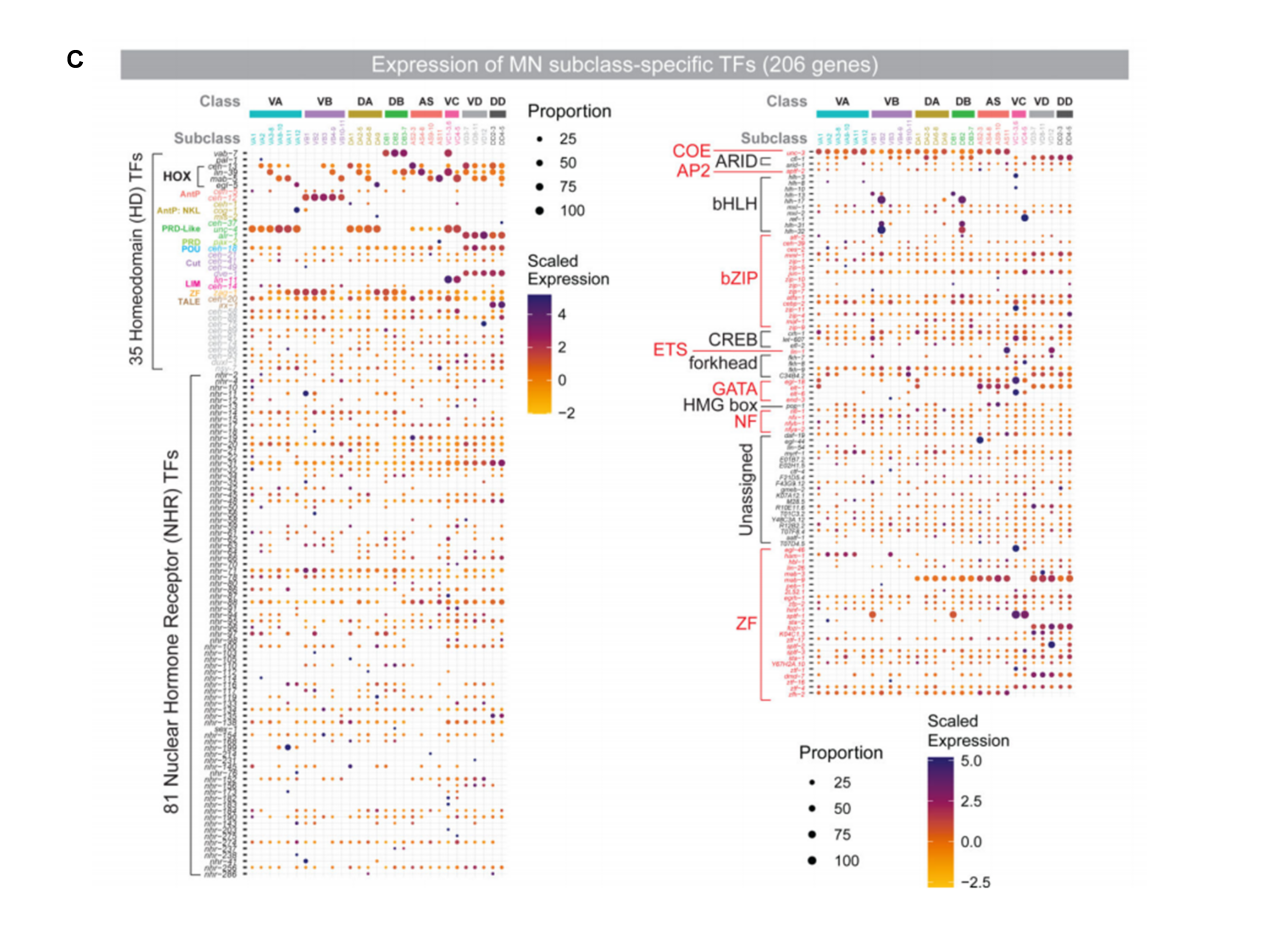
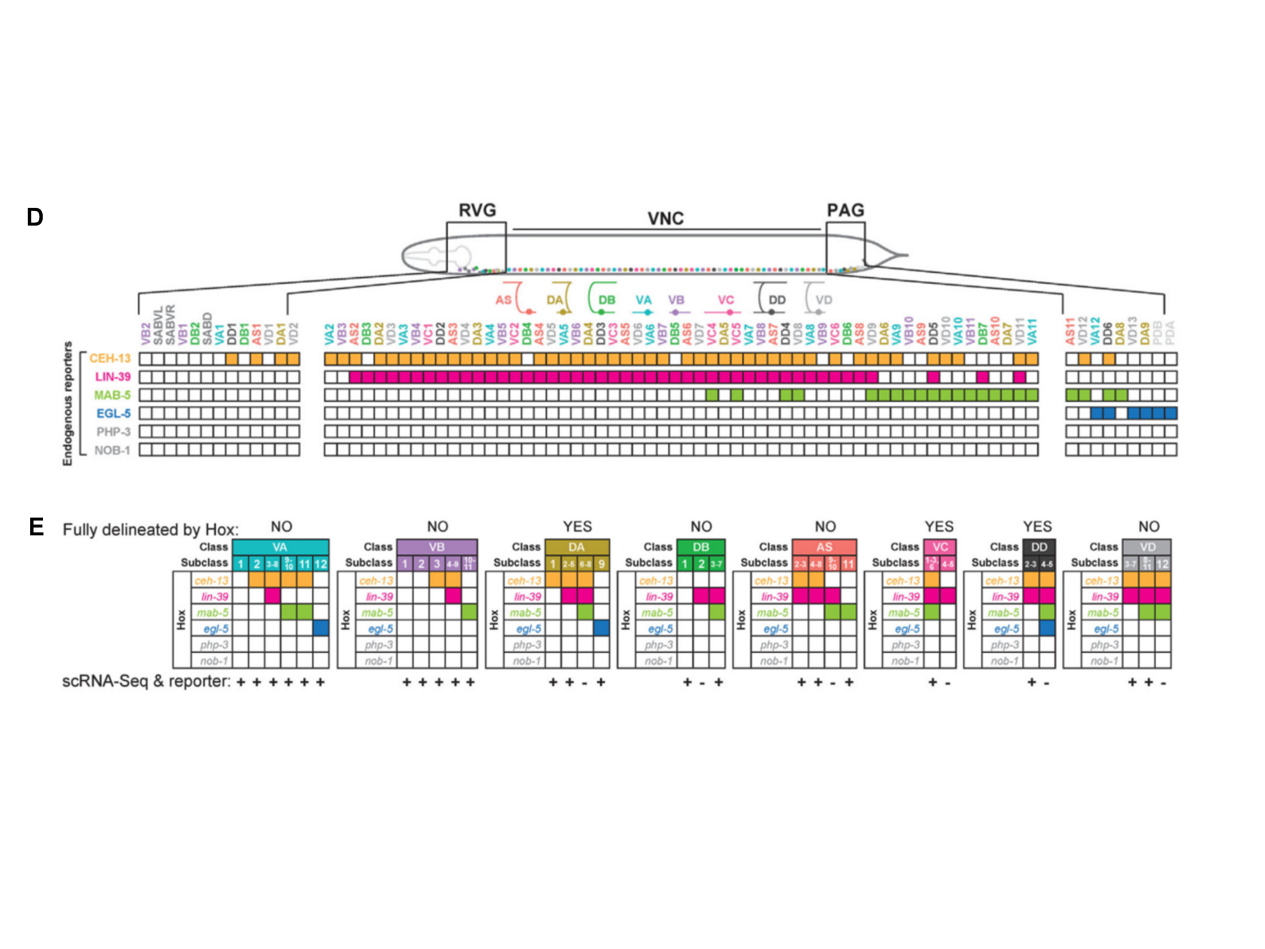
Figure 1. Multiple molecular codes formed by HD, NHR transcription factors and neuropeptide-receptor pairs
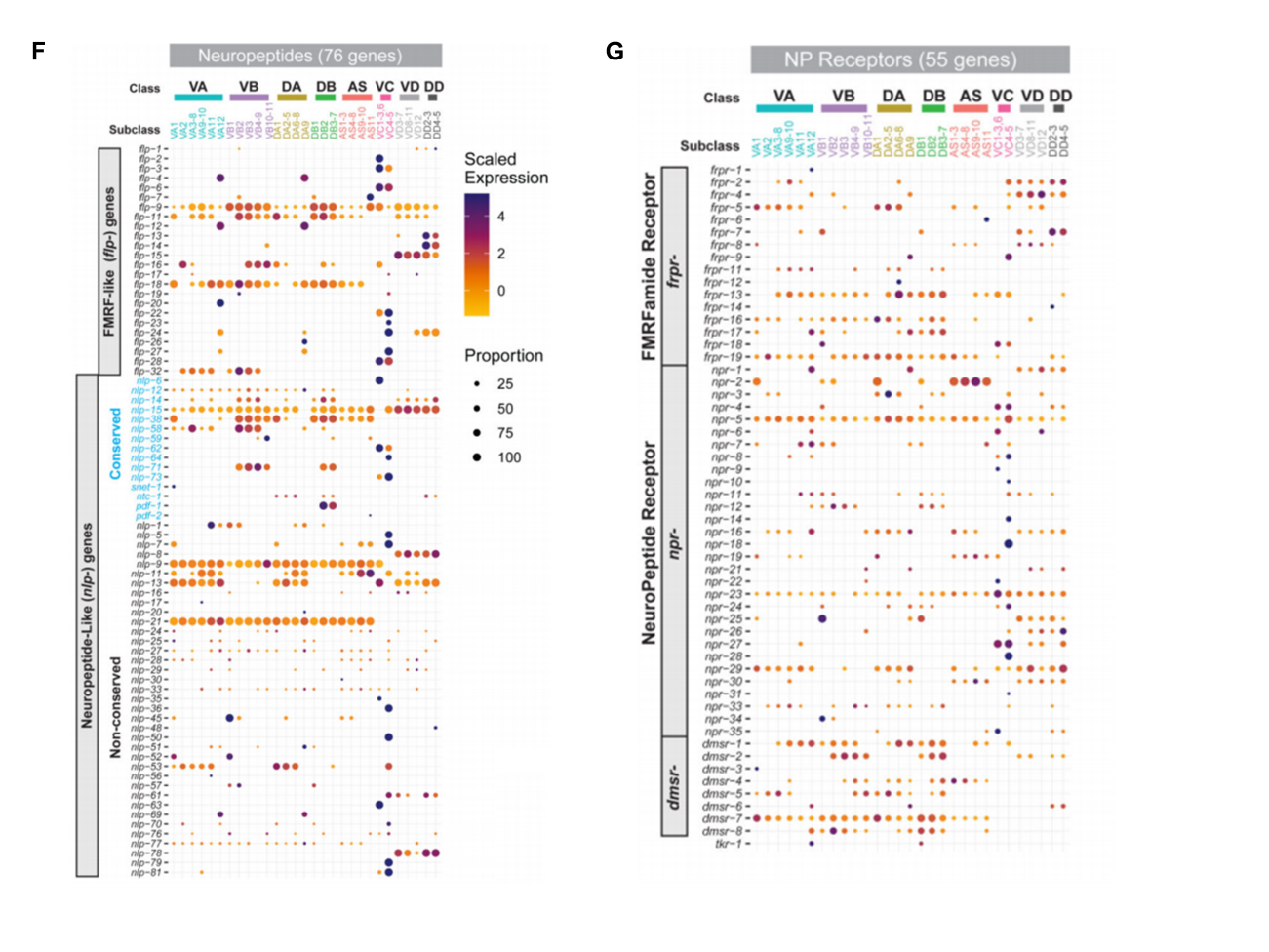 Figure 1(continued). Multiple molecular codes formed by HD, NHR transcription factors and neuropeptide-receptor pairs
2. Molecular identities largely correspond to specialized synaptic connectivity
Building upon transcriptome-defined molecular identities, the study further interrogated circuit features using electron-microscopy-derived connectomic data. Taking DA, DB and VC neurons as examples, most molecularly defined subclasses exhibit unique synaptic-connectivity profiles, showing strong concordance between molecular identity and circuit features. Nevertheless, neurons assigned to the same transcriptomic subclass can still display internal differences in synaptic wiring (Fig. 2A-2C). The authors hypothesize that such discrepancies may arise from limited sensitivity of single-cell clustering toward subtle molecular differences.
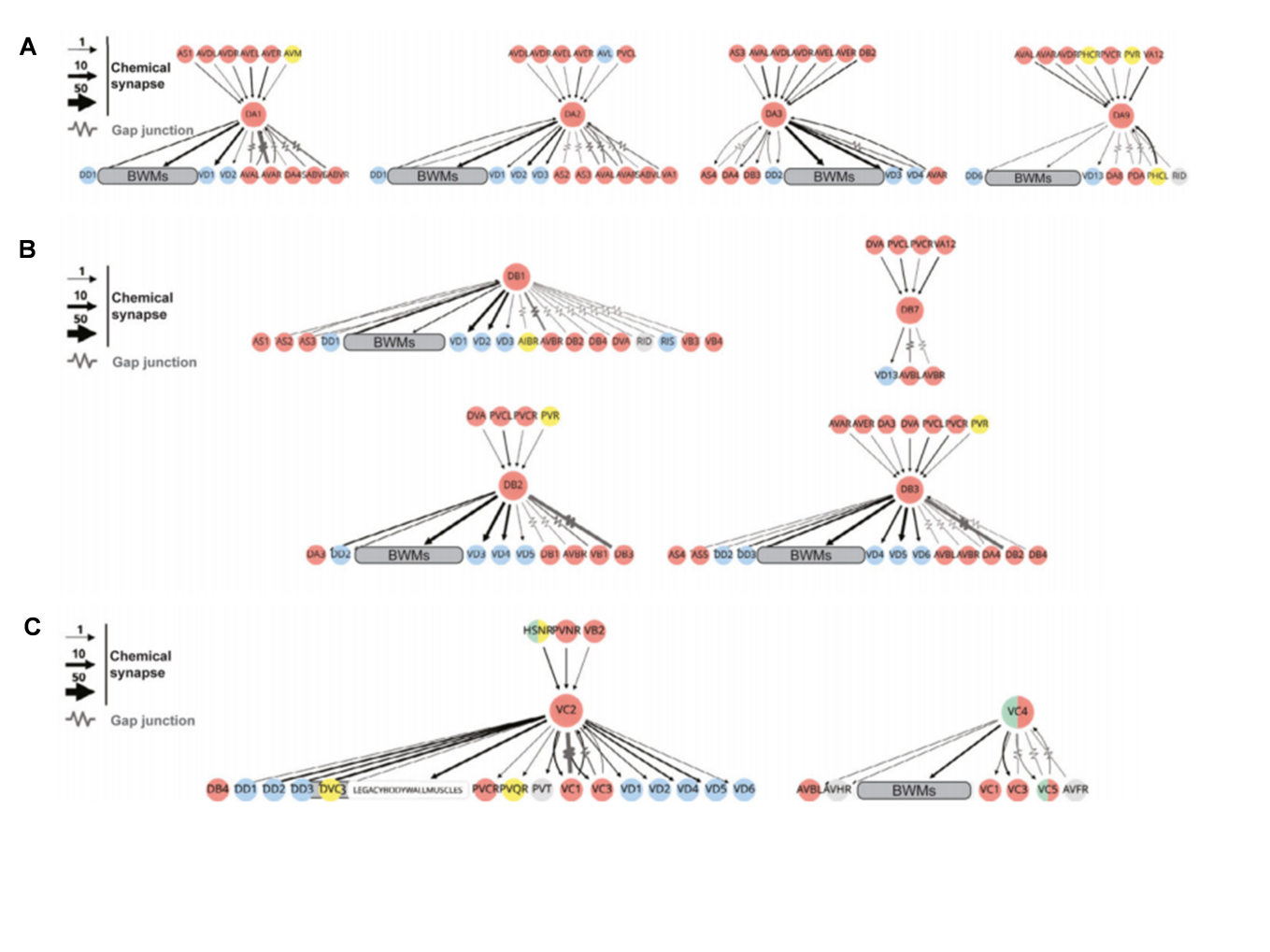
Figure 2. Molecular identities largely correspond to specialized synaptic connectivity
3. Conserved HD transcription-factor codes and divergent NHR functions across species
Cross-species analysis of adult mouse spinal-cord motor neurons suggests that combinatorial HD transcription-factor codes (including Hox genes) are highly conserved from C. elegans to mice. Clustering solely based on HD-gene expression correctly segregates mouse motor neurons into two major functional groups: skeletal motor neurons and visceral motor neurons (Fig. 3A and 3C). NHR transcription factors are capable of resolving all motor-neuron subclasses in C. elegans. By contrast, most NHR genes show broad expression in mouse motor neurons; clustering using only NHR expression fails to separate skeletal from visceral motor-neuron populations (Fig. 3B and 3D). It is speculated that mammalian NHRs expression in visceral motor neurons may reflect a role in mediating hormonal signals, consistent with their connection to the sympathetic nervous system.
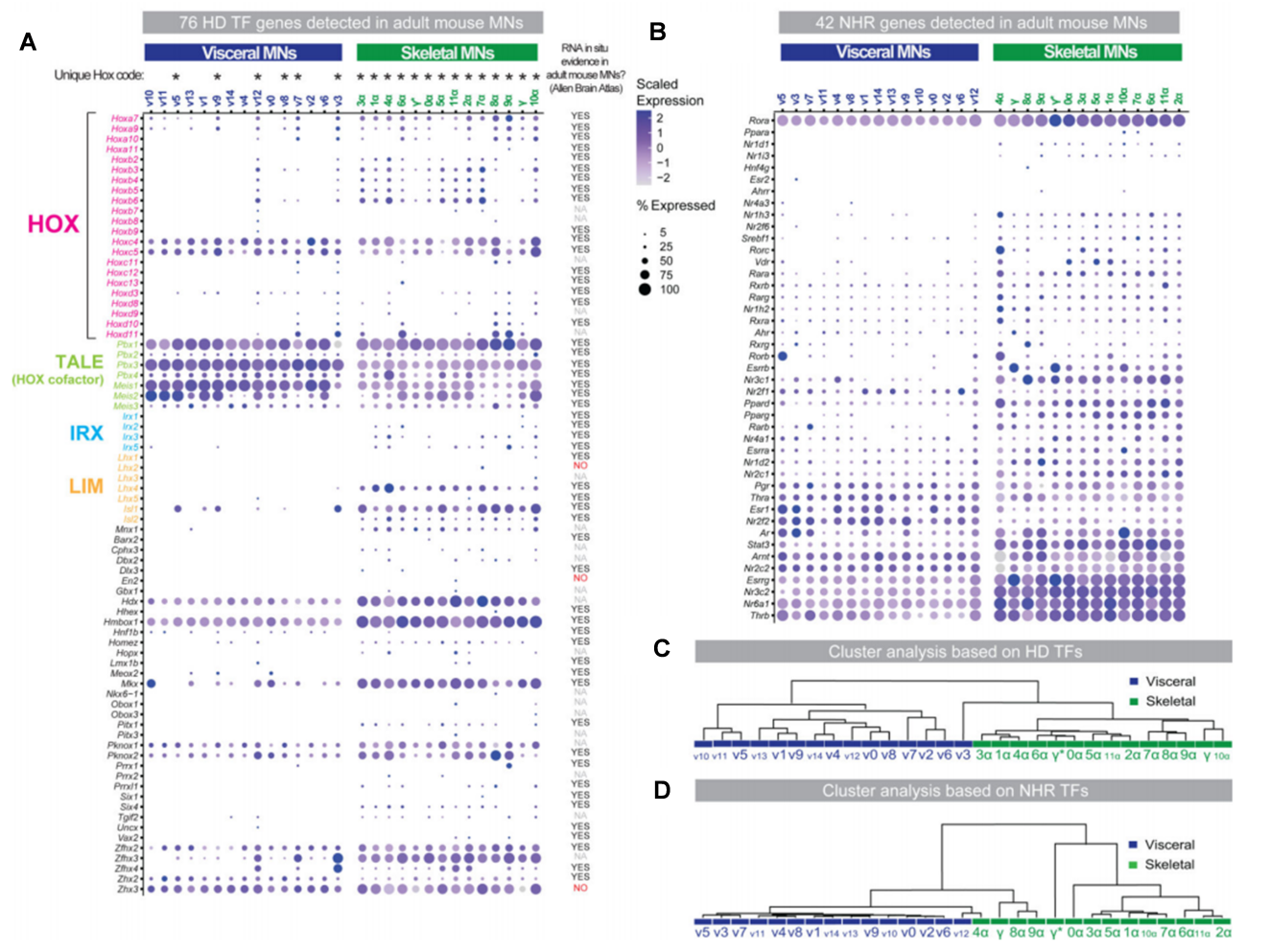
Figure 3. Conserved HD transcription-factor codes and divergent NHR functions across species
Conclusion
This study demonstrates far-greater molecular diversity among adult C. elegans motor neurons than previously appreciated. Combinatorial HD transcription-factor codes represent an ancient molecular logic shared between invertebrates and mammals for specifying adult motor-neuron subtypes across the nervous system-from the C. elegans ventral nerve cord to the mouse spinal cord. Neuropeptide-receptor combinations provide a separate, independent molecular discrimination system. Most molecular subclasses correlate with distinct synaptic-circuit signatures. This work furnishes valuable references for investigating identity maintenance in mature motor neurons, motor-circuit assembly, and the cellular specificity underlying motor-neuron-associated diseases.
Reference
Smith JJ, Taylor SR, Blum JA, Feng W, Collings R, Gitler AD, Miller DM 3rd, Kratsios P. A molecular atlas of adult C. elegans motor neurons reveals ancient diversity delineated by conserved transcription factor codes. Cell Rep. 2024 Mar 26;43(3):113857.
Need custom endogenous reporter or knock-in strains like the ceh-13, mab-5, egl-5, and nob-1 lines used in this study? Contact SunyBiotech (service@sunybiotech.com) today to learn how our C. elegans strain construction services can accelerate your discoveries